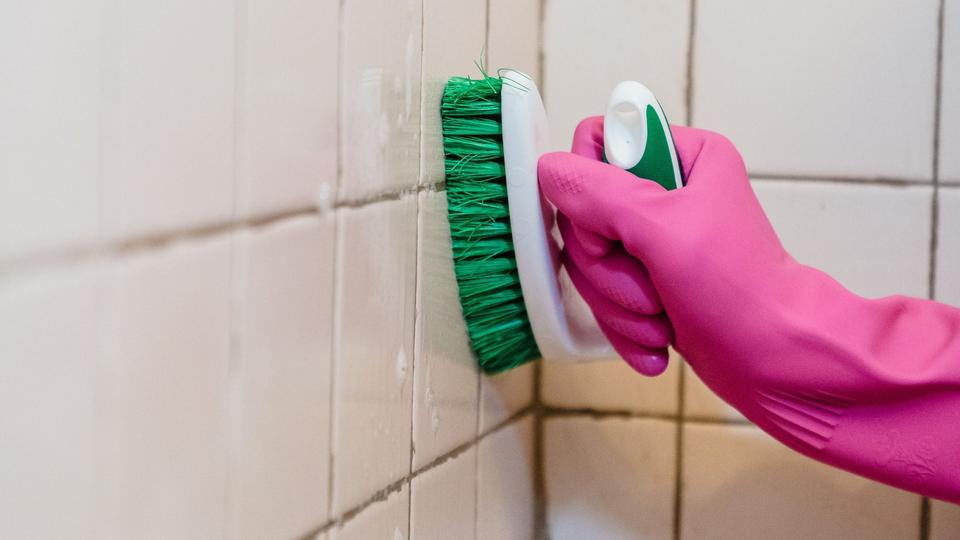
Where a deep clean goes, room by room
Kitchen: the rangehood and its filters, cupboard doors and handles, the splashback, and inside any cupboards you've emptied. Bathroom: built-up grime on the shower screen, tiles and grout, the toilet base, and the extractor fan cover.
Bedrooms and living areas: skirting boards, doors and door frames, light switches, window tracks and sills, then floors done last so the dust from up high isn't left behind.
Those are the places that quietly collect a year of dust and grease. A regular clean keeps the surfaces right; a deep clean goes into the edges.
When people book a deep clean
Before starting regular cleans, so the weekly visits begin from a clean base. Before a sale, a move or a houseful of guests. And at the end of winter, when the heaters go off and the condensation marks on the sills are hard to ignore: that's the spring clean.
Moving out of a rental is a different job. That's an end of tenancy clean, done once the place is empty.
Deep cleaning mould, and where the clean stops
Small mould spots on sills, ceilings and window frames can be part of a deep clean. For those, Tenancy Services points to white vinegar.
Grout and silicone are harder. Consumer NZ says mould that gets into them is almost impossible to remove, so the silicone may need replacing or the bathroom re-grouting, which is a trade job rather than a clean. For a large area of mould, or mould after a flood, Health New Zealand says to get advice from a mould removal specialist.
What to note before you book a deep clean
- Walk the house and note the worst spots: the rangehood, the shower, the window tracks.
- Empty any cupboards you want cleaned inside.
- Tick only the extras you want: the oven, inside windows, carpet steam or wall marks.
- Mention mould, pets and anyone in the house who reacts to strong products.
- Ask whether the price is a quote or an estimate, and get it in writing.
- Look up the business's NZBN on the NZBN Register.
Deep cleaning safely with mould sprays and other cleaners
Bleach should never be mixed with vinegar, ammonia or acid cleaners: Consumer NZ warns that bleach and vinegar together create toxic chlorine gas. Keep each product in its own container and open the windows while you work. If someone swallows a cleaner, ring the National Poisons Centre on 0800 764 766, or 111 in an emergency.
Deep cleaning yourself, or handing it over
Worth doing yourself
- Clearing the benches, floors and tops of wardrobes so the cleaner can get to them.
- Emptying cupboards and the fridge if you want them done inside.
- Moving anything precious off shelves before dusting starts.
- Small mould spots as they appear between deep cleans.
Where a cleaning business earns its keep
- Rangehood filters thick with grease.
- Grout and shower screens with months of soap scum.
- Window tracks and sills right through the house.
- High dusting of light fittings, door tops and cobwebs, with the right ladder.
Our take on booking a deep clean
Write down the five spots that bother you most and put them in the note when you send the clean, so the visit goes where it matters. Add the oven only if it needs it. If the shower silicone has gone black right through, plan to replace it after the clean rather than asking a cleaner to scrub it new.